By: US News & World Reports
Here are five questions to answer when creating a positive online presence for college acceptance.
Imagine the predicament of the college admissions officer. He or she is looking at a seemingly endless number of student profiles containing impressive test scores, grades, essays, recommendations and extracurricular activities.
Somehow, that officer must decide which individuals will receive an offer of admission and which will not. How is a college-bound student expected to stand out in such a vast and competitive crowd?
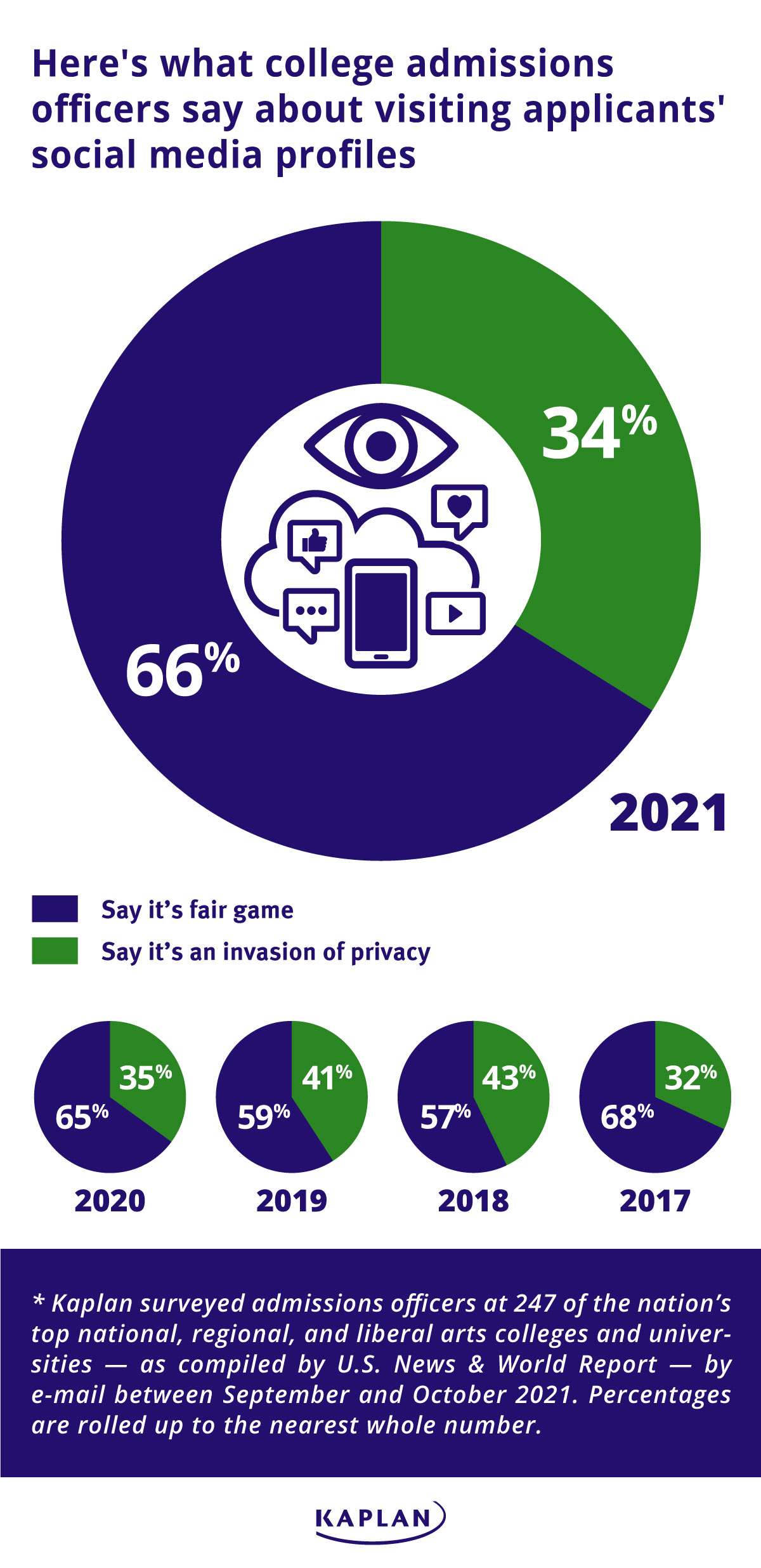
You might be surprised to know that one answer to that question is social media. Increasingly, colleges and universities look up applicants on Facebook, Twitter, Instagram, TikTok and several other social media networks. They may additionally conduct Google searches with applicants’ names.
While not all schools participate in these practices – and even those that do may not screen all potential incoming students – you can never be truly certain of who may be searching for you online, when or why.
Here are five questions to ask yourself about your internet presence as you prepare to apply to colleges:
- How can you bolster your application?
- How can you demonstrate interest in a program?
- How can you influence searches for your name?
- How can you step outside the box?
- How can you connect with admissions staff more personally?
How Can You Bolster Your Application?
Many high school students believe that the best thing they can do is scrub their online accounts of the bad stuff. They may spend hours combing through and deleting all potentially questionable comments, images, posts, tags and so on.
While this purging step is important, it is equally critical to construct a positive online persona.
First, it is helpful to do check-ins and post items that corroborate the information in your application. Facebook, Instagram, TikTok and other outlets can provide the compelling visual support that mere words in a resume or essay cannot. Whenever possible, add relevant and concise hashtags to your posts so that they turn up more in search results.
If you are a musician or an actor, for instance, consider posting pictures of your performances. If you are an athlete, upload a video of yourself performing well during a game. If you do volunteer work, share something that shows you working in that capacity. Doing so lends credence and weight to your application.
Even frequently overlooked factors, such as proper grammar and inclusive language, can reflect well on you.
How Can You Demonstrate Interest in a Program?
Do not hesitate to use social media platforms to connect with the colleges you are interested in or with key individuals associated with them. For instance, it can be wise to “friend” or follow professors who teach in the department you wish to be affiliated with.
You can interact with schools in multiple ways, including but not limited to Facebook, Instagram and Twitter. These represent direct and convenient portals for showing interest before ever visiting the campus or completing an interview.
In addition, be aware that LinkedIn allows you to build a network of contacts at a specific college or university. You can also use LinkedIn to create a virtual resume of sorts and have those who know you endorse you for the skills you list.
How Can You Influence Searches for Your Name?
During the college application process, it is important to ensure that search engines return positive results with your name.
Luckily, there are many ways to build a favorable online presence. Musicians, athletes, actors – anyone whose performances or products would be best expressed in video format – should consider creating a YouTube channel. Aspiring writers may benefit the most from starting a blog with regular posts. Would-be photographers and painters can use Pinterest or Tumblr to display their work.
No matter what method you choose, always put your best foot forward. A sea of "I love learning!" posts may seem scripted, and dozens of kitten videos can come across as silly. Be genuine but selective about what you share.
How Can You Step Outside the Box?
People typically think of Facebook, Instagram and Twitter as being the social media giants. In fact, most institutions of higher education maintain a profile on each platform. Note that some colleges may own just one generic profile, while others may have additional pages for undergraduate or graduate students, or students of particular majors. Generally, the more specific the page, the more closely it may be monitored by admissions staff.
Still, the influence of Reddit and Quora should not be underestimated. On these two websites, which some would call “untapped resources,” you can demonstrate your ability to engage in mature conversations, contribute meaningfully to discussions and display the full range of your interests. Build up an account on either by answering questions you are knowledgeable in and receiving upvotes for strong content.
How Can You Connect With Admissions Staff More Personally?
Once you are satisfied with your social media presence, try to get college admissions officers to notice you on one or more websites.
First, search for the admissions office – and recruitment officers, if you can find out their names – at the colleges that interest you. Then, send them an email with your name, your target enrollment year, a couple of sentences summarizing your interest and some links to your best social media profiles.
Finally – and this is key – ask if you can connect with a recruiter. A question that requires a response will help get you noticed, even if just for the simple fact that you took the initiative to reach out.
If you are lucky, the recruiter will offer you tips on how to engage with that school specifically. Follow that advice as closely and as diligently as you can.
Social media not only can open new avenues of communication with prospective colleges, but it also can provide the opportunity to showcase yourself in a way that other application factors may not.